LAST MEDICALLY REVIEWED:
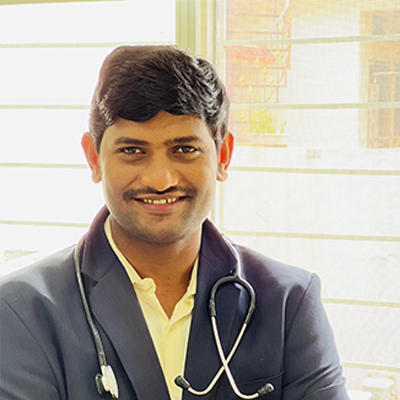
September 2026 — Dr. Shaileshkumar Garge
MBBS, MD (Mumbai), DNB (Delhi), FRCR (UK), FNVIR (CMC Vellore), EBIR (Spain)
Director & Chief Vascular Physician | Sr Consultant Vascular Interventional Radiologist
Citi Vascular Hospital, KPHB Colony, Road No. 1, Hyderabad, Telangana 500072
Fibroid treatment without surgery in Hyderabad is now highly effective using UFE/UAE (Uterine Fibroid Embolization), with an 85–90% clinical success rate, recovery in just 2–5 days, and total procedure cost starting from ₹1,20,000 — without any uterus removal, major surgery, or general anaesthesia.At Citi Vascular Hospital, KPHB Colony, Hyderabad, Dr. Shaileshkumar Garge — FRCR (UK), FNVIR (CMC Vellore), EBIR (Spain) — has performed 800+ UFE/UAE procedures helping women across Kukatpally, Miyapur, Ameerpet, Hitech City, and Secunderabad preserve their uterus and return to normal life within days.This guide covers everything: how UFE works, who it suits, step-by-step procedure, recovery timeline, fertility options, cost breakdown, insurance coverage, and real patient outcomes — so you can make a fully informed decision.
Quick Answer:
|
Feature |
Details |
|
Procedure Name |
Uterine Fibroid Embolization (UFE) / Uterine Artery Embolisation (UAE) |
|
Major Surgery Required? |
❌ No — minimally invasive image-guided procedure |
|
Uterus Removed? |
❌ No — uterus fully preserved |
|
Anaesthesia |
Local anaesthesia + conscious sedation (no general anaesthesia) |
|
Procedure Duration |
30-60 minutes |
|
Hospital Stay |
Same day / overnight (usually within 1 day) |
|
Recovery Time |
2–5 days return to routine; full shrinkage over 3–6 months |
|
Scarring |
None — only a tiny 2mm wrist or groin puncture |
|
Fibroid Shrinkage |
40–60% volume reduction on MRI at 6 months |
|
Success Improvement |
85–90% symptom relief (RSNA/SIR Clinical Guidelines) |
|
Cost in Hyderabad (2026) |
₹1,20,000 – ₹3,50,000 (all-inclusive estimate) |
|
Insurance Coverage |
Often covered when medically indicated (heavy bleeding, anaemia) |
|
Best For |
Women wanting to avoid hysterectomy, preserve uterus, recover fast |
|
Available At |
Citi Vascular Hospital, KPHB Colony, Road No. 1, Hyderabad — Dr. Shaileshkumar Garge |
Get Expert Fibroid Treatment Without Surgery in Hyderabad
Citi Vascular Hospital, KPHB — Dr. Shaileshkumar Garge | 800+ UFE Procedures | Same-Day Discharge
+91-73375 83901 | WhatsApp Now | citivascularcentre.com
Transparent Pricing | Insurance Assistance | No Hidden Charges | Mon–Sat, 9 AM–6 PM
Book your Appointment here: | Appoinment: |Call +91-7032508468| Whatsapp:+91-7337583901
Summary & Final Thoughts
Quick Answer : Yes. Uterine fibroid embolization (UFE/UAE) is a minimally invasive treatment option for selected patients. It reduces blood supply to fibroids, which may shrink over time while preserving the uterus. Suitability depends on clinical assessment and individual treatment goals.
Unlike hysterectomy or open surgery, UAE/UFE:
avoids major cuts
preserves the uterus
allows faster recovery
usually requires only a tiny wrist or groin puncture
Recovery time varies according to individual circumstances, symptoms and the treatment performed.
UAE is one of the minimally invasive treatment options that may be considered for suitable patients with symptomatic uterine fibroids.
Uterine fibroid embolization (UFE), also called uterine artery embolization (UAE), is a minimally invasive interventional radiology procedure used to treat selected patients with symptomatic uterine fibroids without surgically removing the fibroids or uterus.
During the procedure:
a tiny catheter is inserted through the wrist or groin artery
embolic particles are delivered into fibroid blood vessels
blood flow to fibroids is blocked
fibroids gradually shrink over time
Symptoms improve over weeks to months
The uterus remains preserved.
The UFE procedure blocks blood flow to fibroids using tiny particles.
What Happens:
Blood supply to fibroids decreases
Fibroids shrink gradually
Symptoms improve over weeks to months
Healthy uterine tissue remains preserved
Many patients experience improvement in fibroid-related symptoms after UFE, although the degree of improvement and the response to treatment vary.
|
Stage |
What Happens Inside the Body |
Time Frame |
|
Embolisation |
Tiny PVA microspheres block uterine artery branches feeding fibroids |
During procedure |
|
Ischaemia |
Fibroids are deprived of blood and oxygen |
Hours 0–24 |
|
Infarction |
Fibroid tissue begins to die (necrosis) |
Days 1–7 |
|
Shrinkage |
Fibroid size may decrease over the months following treatment; the extent of shrinkage varies among patients |
Weeks 4–12 |
|
Symptom relief |
Heavy bleeding, pain, pressure symptoms reduce |
Months 1–6 |
For patients who wish to preserve the uterus, options such as UFE or myomectomy may be discussed alongside hysterectomy. The appropriate treatment depends on symptoms, fibroid characteristics, medical history and reproductive goals.
longer hospital stay
major surgery
general anaesthesia
longer recovery
visible scars
UFE is a minimally invasive alternative to certain surgical treatments and may reduce the need for major abdominal incisions. Hospital stay and recovery time vary by patient and treatment.
For women seeking to preserve the uterus, UFE/UAE may be an alternative to surgery in appropriate cases. The potential benefits, limitations, risks and recovery expectations should be discussed with the treating specialist.
Women commonly choose UAE/UFE because:
✅ No uterus removal
✅ No major abdominal cuts
✅ Faster recovery
✅ Shorter hospital stay
✅ Earlier return to work
✅ Minimally invasive treatment
✅ UFE can treat multiple fibroids during the same procedure in appropriately selected patients; individual results vary.
1.Is Non-Surgical Fibroid Treatment Right for Me?
|
Step |
Check This Question |
YES → Next |
NO → Action |
|
1 |
Do you have heavy bleeding, pelvic pain, frequent urination, or bloating lasting > 2 months? |
Go to Step 2 → |
Monitor, review in 3 months |
|
2 |
Has an ultrasound or MRI confirmed uterine fibroids? |
Go to Step 3 → |
Book imaging at Citi Vascular, KPHB |
|
3 |
Are fibroids causing anaemia, heavy flooding periods, or significant daily life disruption? |
Go to Step 4 → |
Medication management may be suitable |
|
4 |
Do you want to avoid hysterectomy and preserve your uterus? |
Go to Step 5 → |
Discuss hysterectomy with specialist |
|
5 |
Are you NOT currently pregnant and have no active pelvic infection? |
Go to Step 6 → |
UAE not suitable now — treat condition first |
|
6 |
Your preferred recovery time is one factor to discuss with your treating specialist. UFE/UAE suitability must be determined through clinical evaluation rather than recovery expectations alone. |
✅ UFE/UAE is likely your best option |
Laparoscopic myomectomy may suit you |
⚠️ Warning Signs Needing Urgent Evaluation: Seek urgent medical assessment for very heavy bleeding, particularly if accompanied by dizziness, faintness or breathlessness. Rapidly changing symptoms or concerns about fibroid growth also require medical evaluation. The appropriate treatment and its implications for future pregnancy should be discussed with a specialist
|
Symptom / Condition |
UFE Suitable? |
Clinical Explanation |
|
Heavy menstrual bleeding (menorrhagia) |
✅ Yes |
UFE may reduce heavy menstrual bleeding, but the timing and degree of improvement vary |
|
Multiple uterine fibroids |
✅ Yes |
UFE can address multiple fibroids during one procedure, although the response may differ by fibroid and not every fibroid will necessarily respond equally |
|
Pelvic pressure / bloating symptoms |
✅ Yes |
Fibroid bulk symptoms respond well to UFE shrinkage |
|
Anaemia due to chronic blood loss |
✅ Yes |
Bleeding reduction usually restores haemoglobin within months |
|
Wish to preserve uterus / avoid surgery |
✅ Yes |
UFE is uterus-sparing and requires no surgical incision |
|
Need faster recovery (work / family) |
✅ Yes |
Return-to-work timelines vary according to the individual, the procedure and the nature of the work. Avoid fixed comparisons unless supported by reliable evidence and clearly defined patient groups. |
|
Failed hormonal treatment |
✅ Yes |
Good option when GnRH analogues or hormones did not give lasting relief |
|
Large fibroids (> 5–8 cm) |
✅ Yes |
UFE effectively treats large fibroids — MRI confirms suitability |
|
Completed family / uncertain fertility plans |
⚠️ Discuss |
Specialist evaluation required — individual case assessment |
|
Immediate pregnancy goal (< 6 months) |
⚠️ Discuss |
Myomectomy may be preferred — discuss reproductive timeline |
Women with symptomatic uterine fibroids may be considered for UFE after assessment of their symptoms, imaging, medical history and reproductive goals.
A specialist evaluation is necessary to determine eligibility.
|
Condition |
Why Specialist Evaluation Is Needed |
|
Pregnancy |
Risk to pregnancy |
|
Active pelvic infection |
Increased complication risk |
|
Suspected uterine cancer |
Requires different treatment |
|
Severe kidney disease |
Contrast dye concerns |
|
Ast allergy |
Imaging limitations |
|
Certain fertility plans |
Individualized planning required |
UFE treats selected uterine fibroids through a minimally invasive approach without removing the uterus. The procedure may involve a shorter recovery than some operations, but recovery and outcomes vary.
|
Benefit |
UFE |
|
No major surgery |
✅ |
|
No uterus removal |
✅ |
|
Same-day / next-day discharge |
✅ |
|
Faster recovery |
✅ |
|
Minimal scarring |
✅ |
|
Treats multiple fibroids together |
✅ |
|
Reduced blood loss |
✅ |
|
Faster return to work |
✅ |
|
Feature |
UFE / UAE |
Laparoscopic Myomectomy |
Open Myomectomy |
Hysterectomy |
|
Major Surgery? |
❌ No |
✅ Yes (minimal) |
✅ Yes |
✅ Yes |
|
Uterus Preserved? |
✅ Yes |
✅ Yes |
✅ Yes |
❌ No |
|
Anaesthesia Type |
Local + Sedation |
General |
General |
General |
|
Hospital Stay |
1 day |
2–3 days |
3–5 days |
5–7 days |
|
Recovery Time |
2–5 days |
2–3 weeks |
4–6 weeks |
6–8 weeks |
|
Scars / Incisions |
Tiny puncture only |
3–4 small cuts |
Large incision |
Large incision |
|
Blood Loss Risk |
Minimal |
Moderate |
Higher |
Highest |
|
Treats Multiple Fibroids? |
✅ All at once |
⚠️ Depends |
⚠️ Depends |
✅ N/A — uterus removed |
|
Fibroid Recurrence |
Possible (rare) |
~10–20% |
~15–25% |
None (no uterus) |
|
Fertility After? |
Possible — discuss |
✅ Usually yes |
✅ Usually yes |
❌ No |
|
Cost Hyderabad 2026 |
₹120K – ₹3.5L |
₹1L – ₹2L |
₹80K – ₹1.6L |
₹80K – ₹2L |
|
Return to Work |
2–5 days |
2–3 weeks |
4–6 weeks |
6–8 weeks |
Key Takeaway:UFE is a minimally invasive, uterus-preserving treatment option that can address multiple fibroids in suitable patients. It is not the only uterus-preserving option, and it may not be the most appropriate treatment for everyone. A specialist can explain the benefits and limitations of UFE, myomectomy and other options.
|
Not sure if UFE is right for you? A specialist can review your imaging and clinical history to discuss treatment options appropriate to your individual circumstances. |
Check Your Insurance Coverage Insurance coverage and pre-authorisation requirements depend on the insurer, policy terms and medical indication. Contact the hospital to confirm what assistance is available and whether any related charges apply. |
|
1 |
Initial Consultation & Symptom History Share your menstrual history, pelvic symptoms, duration of bleeding, prior scans, and any current medications with Dr. Shaileshkumar Garge at Citi Vascular, KPHB. A detailed clinical assessment is done to determine whether UFE/UAE is the most appropriate treatment. Usually completed in a single 30-60 minute consultation. |
|
2 |
Pelvic Imaging — Ultrasound + MRI Planning Pelvic ultrasound is commonly used to assess fibroids. MRI may be recommended to clarify fibroid size, location and characteristics and to support treatment planning. The imaging required depends on the individual clinical assessment and the requirements of the treating team and insurer. Colour Doppler assesses uterine artery vascularity. |
|
3 |
Pre-Procedure Blood Tests & Safety Screening Full blood count (to grade anaemia), renal function tests (for contrast safety), coagulation profile, and blood group are completed. Any blood-thinning medications are reviewed. Fasting instructions (6–8 hours) and pre-admission guidance are provided. Insurance pre-authorisation documents are prepared at this stage. |
|
4 |
Admission & Preparation (2 Hours Before) Arrive at Citi Vascular Hospital, KPHB. IV access is placed, vital signs checked, imaging reviewed, and consent is completed. A light sedative is administered for comfort. Local anaesthetic cream is applied to the wrist (radial) or groin (femoral) access site. The Cath Lab team prepares the procedure room. |
|
5 |
UFE/UAE Procedure Under Fluoroscopy (45–90 Minutes) During UFE, a catheter is introduced through an artery, usually at the wrist or groin, and guided under fluoroscopy to the uterine arteries. Embolic material is delivered to reduce blood flow to the fibroids. The access route, embolic material, anaesthesia or sedation, and procedural details depend on the clinical plan. The procedure aims to treat fibroids while preserving the uterus, but risks and effects on surrounding tissues should be discussed beforehand. |
|
6 |
Post-Procedure Recovery in Hospital (4–6 Hours) You rest in a monitored recovery bay. Mild to moderate uterine cramping — similar to strong period pain — is expected and managed with IV pain relief. Vital signs, access site, and urine output are monitored. Walking is encouraged within 2–4 hours. Pain and discomfort after UFE vary; a pain-management plan is provided according to individual needs. |
|
7 |
Discharge & Home Recovery Instructions (Within 24 Hours) Discharge timing and follow-up arrangements depend on recovery and the treating team's assessment. Medicines, including antibiotics when clinically indicated, and activity instructions should be provided according to individual needs. Mention a 48-hour follow-up call or messaging service only if the hospital consistently offers it. |
|
8 |
Fibroid Shrinkage & Long-Term Symptom Relief (3–6 Months) After UFE, fibroids may shrink over several months, and symptoms such as heavy bleeding or pelvic pressure may improve. The degree and timing of improvement vary. Follow-up assessment helps evaluate treatment response.A follow-up MRI or ultrasound at 3–6 months confirms fibroid size reduction and documents clinical outcomes. |
The entire UAE/UFE procedure usually takes 45–90 minutes.
Patients arrive at Citi Vascular Hospital, KPHB, Hyderabad for:
registration
imaging review
blood tests
preparation
The procedure is performed in a catheterisation laboratory using fluoroscopic guidance. Describe the facility as ‘advanced’ only if the claim is objectively substantiated and relevant.
After treatment:
Observation for sometime
mild cramping may occur temporarily
Some patients may be discharged within 24 hours, depending on the procedure, symptom control and clinical assessment.
Quick Answer:Recovery after UFE varies. Some patients resume light activities within several days, while others need more time based on their symptoms and overall health.
|
Time After UFE |
What to Expect |
Dos & Don'ts |
|
Day 0 — Procedure Day |
Mild cramping managed with IV medication. Discharge within 24 hours in most cases. |
✅ Walk short distances. ❌ No driving same day. |
|
Days 1–3 |
Cramping, fatigue, nausea and a low-grade fever can occur after UFE as part of post-embolisation syndrome. However, fever or worsening symptoms may also indicate a complication and should be assessed when appropriate. |
✅ Oral pain meds. ✅ Stay hydrated. ❌ No heavy lifting. |
|
Days 3–5 |
Symptoms often begin to improve over time, but the pace of recovery differs between patients. Increase activity according to symptoms and the clinician's advice. Appetite improves. |
✅ Short walks. ✅ Light cooking. ❌ No gym / swimming yet. |
|
Week 2 |
Some patients experience spotting or vaginal discharge after UFE. Report heavy bleeding, foul-smelling discharge, fever or worsening pain to the treating clinician. |
✅ Office work. ✅ Short drives. ❌ No strenuous exercise. |
|
Weeks 3–4 |
Full daily activities resumed. First menstrual cycle post-UFE may be different — lighter or slightly heavier. Both are normal. |
✅ Full activity. ✅ 4–6 week follow-up appointment. |
|
Month 1–3 |
Progressive fibroid shrinkage underway. Bleeding lightens with each menstrual cycle. Pelvic pressure reduces steadily. |
✅ Ultrasound follow-up at 3 months. ✅ Report any fever > 38.5°C. |
|
Month 3–6 |
Follow-up imaging may show a reduction in fibroid volume, and symptoms may improve over several months. Include specific outcome percentages only when supported by a reliable, cited clinical source that matches the stated patient group and timeframe. |
✅ MRI/USG confirms shrinkage. ✅ Discuss fertility if relevant. |
|
Beyond 6 Months |
Fibroids may remain smaller after UFE, but outcomes vary and symptoms can recur or further treatment may be needed. Long-term follow-up should be based on clinical advice. |
✅ Annual follow-up recommended. Report any new symptoms. |
⚠️ Post-Embolisation Syndrome: Post-embolisation syndrome may cause temporary pain, fatigue, nausea or low-grade fever. These symptoms should not automatically be assumed to be harmless, as infection or another complication may also cause them. Follow the discharge instructions and contact the treating team promptly for persistent or worsening fever, severe pain, vomiting or other concerning symptoms. Seek urgent care for severe symptoms.
Contact If You Experience:
Severe pain not improving
High fever
Heavy bleeding
Persistent vomiting
Leg swelling
Difficulty breathing
UFE preserves the uterus, but its effects on future fertility and pregnancy outcomes require individual discussion. Women who wish to become pregnant should review the potential benefits, risks and alternatives with a gynecologist and interventional radiologist before choosing treatment.
Women planning pregnancy should discuss:
fertility goals
fibroid location
fibroid size
treatment options
with an experienced Interventional Radiologist and Gynecologist before treatment.
|
Common Side Effects |
Rare Risks |
|
Cramping |
Infection |
|
Mild fever |
Contrast allergy |
|
Fatigue |
Non-target embolization |
|
Nausea |
Premature ovarian failure (rare) |
Many common side effects improve over time, but the duration varies. Some complications may require additional assessment or treatment; patients should receive clear instructions on when to seek medical care.
|
❌ Common Myth |
✅ Clinical Fact |
Source / Context |
|
UFE removes the uterus |
UFE is intended to treat fibroids while preserving the uterus; it does not involve planned removal of the uterus. Individual outcomes and complications should be discussed with the treating specialist. |
SIR / RSNA Guidelines |
|
UFE is a major surgery |
UFE is minimally invasive — 2mm puncture, no cuts, no stitches |
Interventional Radiology Standard of Care |
|
Recovery takes months |
The time needed to resume routine activities varies by patient. Some return to light activities within several days, while others need longer. |
Clinical outcome data — Citi Vascular, KPHB |
|
Large fibroids always need surgery |
Some large fibroids can be treated with UFE. Size alone does not determine suitability; imaging findings, fibroid characteristics and clinical assessment are important. |
CIRSE / SIR Fibroid Guidelines 2023 |
|
UFE means you cannot get pregnant |
UFE preserves the uterus; pregnancy is possible after treatment |
Multiple case series; discuss individually |
|
UFE is very painful |
Performed under sedation; mild post-procedure cramping is manageable |
Patient-reported outcome studies |
|
UFE doesn't work for multiple fibroids |
UFE treats ALL fibroids simultaneously in a single procedure |
UFE's primary advantage over myomectomy |
|
UFE is not covered by insurance |
Many insurers cover UFE when medically indicated (heavy bleeding, anaemia) |
Insurance coordination available at Citi Vascular |
Quick Answer: UFE can improve fibroid-related symptoms in many patients. Reported outcomes vary according to patient selection, the outcome measured and the duration of follow-up.”
SUCCESS RATE TABLE
|
Outcome |
Success Rate |
|
Heavy bleeding reduction |
85–95% |
|
Pelvic pressure relief |
80–90% |
|
Fibroid shrinkage |
40–60% |
|
Avoid hysterectomy |
High success |
Some patients notice symptom improvement within the first few menstrual cycles, although the timing and degree of improvement vary.
“Madhavi’s Story, 14/11/2025— 41-Year-Old IT Professional from Hitech City”
Madhavi suffered from:
heavy periods
pelvic pressure
severe fatigue
anemia due to multiple fibroids
She wanted to avoid hysterectomy because of work commitments and fear of major surgery.
After consultation at Citi Vascular Hospital, KPHB, she underwent UFE.
Procedure time: 50 minutes
Discharge: same evening
Returned to office work: on 4th day
At her 3-month scan:
fibroids significantly reduced
bleeding improved
hemoglobin normalized
“Recovery was much easier than I expected, and my symptoms improved significantly within a few months.”
“I had UFE in April of 2025, now my fibroid have signifiant reduced I am very happy that the issue I was dealing with is resolved Heartfelt thanks to Dr.shailesh sir” — Madhavi, Hyderabad
|
Measure |
Before UFE |
After UFE (3 Months) |
|
Menstrual bleeding |
Hevy, flooding — changing pads every 1–2 hours |
Significantly lighter, manageable |
|
Haemoglobin / Anaemia |
Low — severe fatigue and dizziness |
Normalised — energy restored |
|
Fibroid presence |
Multiple large fibroids confirmed on MRI |
Fibroids completely resolved at 3-month scan |
|
Pelvic pressure |
Daily discomfort, abdominal bloating |
Fully resolved |
|
Work impact |
Missed work frequently, energy very low |
Returned to office within 1 week of UFE |
|
Patient satisfaction |
Anxious, seeking surgery-free solution |
"Fibroids significantly reduced. Heartfelt thanks to Dr. Shailesh sir." |
Procedure Details: UFE at Citi Vascular Hospital, KPHB, Hyderabad | Procedure Time: 60 minutes | Discharge: Same evening | Return to Work: Within 1 week | 3-Month Outcome: Fibroids completely resolved on imaging
Quick Answer:The cost of UFE/UAE in Hyderabad varies according to the clinical assessment, investigations, procedure requirements, hospital stay and follow-up care. Contact the hospital for a current, itemised estimate.
|
Cost Component |
Approximate Cost |
MRI / Ultrasound |
₹8,000 – ₹18,000 |
Blood Tests |
₹2,500 – ₹5,000 |
UAE/UFE Procedure |
₹90,000 – ₹1,80,000 |
Hospital Stay |
₹8,000 – ₹15,000 |
Medications |
₹3,000 – ₹8,000 |
Follow-up Imaging |
₹8,000 – ₹15,000 |
Estimated Total Cost:
₹1,20,000 – ₹3,50,000
Cost varies depending on:
fibroid size
number of fibroids
imaging requirements
hospital infrastructure
|
Total Cost Comparison — Hyderabad 2026 |
UFE/UAE |
Myomectomy |
Hysterectomy |
|
Estimated Total Cost |
₹1,20,000 – ₹3,50,000 |
₹1,00,000 – ₹2,20,000 |
₹1,00,000 – ₹2,50,000 |
|
Hospital Stay Duration |
1 day |
3–5 days |
5–7 days |
|
Days Off Work (Cost to Patient) |
3–5 days |
2–4 weeks |
6–8 weeks |
|
Risk of Re-treatment |
Low (< 20% at 5 yrs) |
~10–25% recurrence |
Zero (uterus removed) |
|
Overall Value |
Best: Fast + effective + preserves uterus |
Good for single fibroid + fertility |
Last resort — permanent |
The overall cost of UFE and surgery depends on treatment charges, hospital stay, recovery, follow-up and any additional care. Do not claim that UFE is less expensive overall or has lower complication rates without reliable comparative evidence using clearly defined measures..
Some insurers may cover UFE when medically indicated, subject to policy terms, eligibility criteria and pre-authorisation. Patients should confirm coverage directly with their insurer.
heavy bleeding
anemia
pelvic pain
pressure symptoms
Coverage depends on:
medical necessity
imaging findings
policy terms
pre-authorisation approval
Insurance coordination assistance is available at Citi Vascular Hospital.
|
Insurance Type |
UFE/UAE Coverage |
Documents Typically Required |
|
Corporate Group Mediclaim |
Usually Yes |
Ultrasound/MRI report, doctor recommendation, pre-auth form |
|
Individual Health Insurance |
Often Yes (check policy) |
MRI / USG report, case summary, prescription, hospitalisation letter |
|
Govt Schemes (CGHS / EHS) |
Varies by scheme |
Referral letter + imaging reports + specialist recommendation |
|
Ayushman Bharat / PMJAY |
Check empanelment |
BIS card + referral + diagnosis confirmation |
|
Cashless / TPA Claim/ Reimbursement |
Available at Citi Vascular |
Pre-authorisation letter from insurer + MRI + admission letter |
Contact the hospital to confirm whether assistance with insurance documentation and pre-authorisation is available and whether any charges apply.
Women increasingly choose non-surgical fibroid treatment because it offers:
✅ no uterus removal
✅ faster recovery
✅ no major scars
✅ minimal downtime
✅ same-day discharge
✅ uterus preservation
✅ minimally invasive treatment
✅Include the number of UFE/UAE procedures performed only if it is accurate, documented and clearly defined.
✅ State the clinician's verified qualifications and professional designation accurately. Ensure the wording does not imply a certification or specialist status beyond the credentials actually held
✅ Advanced Cath Lab & Fluoroscopy Guidance
✅ Discharge timing depends on the procedure, recovery and clinical assessment.
✅ Transparent Pricing & EMI Options
✅ Insurance Coordination Assistance
✅ Centrally Located in KPHB, Hyderabad
Citi Vascular Hospital in KPHB, Hyderabad, provides information and consultation regarding UFE/UAE for patients considering treatment for uterine fibroids. Include claims about the clinician's experience only where they are verifiable.
|
Credential/Feature |
Detail |
|
Doctor |
Dr. Shaileshkumar Garge |
|
Qualifications |
MBBS | MD (Mumbai) | DNB (Delhi) | FRCR (UK) | FNVIR (CMC Vellore) | EBIR (Spain/Europe) |
|
Role |
Director & Chief Vascular Physician | Senior Consultant Interventional Radiologist |
|
Hospital |
Citi Vascular Hospital, KPHB Colony, Road No. 1, Hyderabad, Telangana 500072 |
|
UFE/UAE Procedures |
800+ UFE/UAE fibroid embolisation procedures performed |
|
Total Vascular Procedures |
12,000+ image-guided minimally invasive interventions |
|
Specialisation |
UFE, UAE, Varicose Veins, PAD, DVT, Pelvic Congestion Syndrome, Vascular Malformations |
|
Technology |
Dedicated Cath Lab | Real-time Fluoroscopy | Colour Doppler | High-resolution MRI Planning |
|
Pricing Policy |
Transparent pricing — all costs (imaging, procedure, medication, follow-up) discussed before treatment. No hidden charges. |
|
Serving |
KPHB, Kukatpally, Miyapur, Hitech City, Ameerpet, Secunderabad, Hyderabad & Telangana |
Citi Vascular Hospital, KPHB Colony, Road No. 1, Hyderabad is conveniently accessible for patients across:
Kukatpally & KPHB — 5 min drive, direct access via KPHB Main Road
Miyapur & Bachupally — 10 min via Miyapur X Roads
Pragati Nagar & Nizampet — 8–10 min
Hitech City & Madhapur — 20 min via IT Corridor
Ameerpet & SR Nagar — 20 min via Balanagar flyover
Secunderabad & Begumpet — 25 min via NH 65
Gachibowli & Kondapur — 25–30 min via PVNR Expressway
Kompally, Medchal & Alwal — 20–25 min via ORR
Telangana & Andhra Pradesh patients — welcome, outstation consultation available
|
Hospital |
Contact |
Location |
|
Citi Vascular Hospital |
+91-73375 83901 |
KPHB Colony, Road No. 1, Hyderabad, Telangana 500072 |
|
Appointments |
Mon–Sat, 9 AM–6 PM |
Same-day consultations available | Free parking | Walk-ins welcome |
|
Website |
Online appointment booking + WhatsApp consultation available |
|
Q1: Can fibroids be treated without surgery in Hyderabad? |
|
UFE/UAE is a minimally invasive treatment option for selected patients with uterine fibroids. A catheter is guided through an artery, usually at the wrist or groin, and embolic material is used to reduce blood flow to the fibroids. Fibroid size and symptoms may improve over several months. Anaesthesia, recovery and suitability vary by patient, and future pregnancy plans should be discussed with a specialist. |
|
Q2: How long is recovery after non-surgical fibroid treatment (UFE)? |
|
Recovery after UFE varies, and some patients resume light activities within several days. The time needed to return to work and the degree of fibroid shrinkage differ between patients. Follow-up imaging may be recommended at a time determined by the treating clinician. Comparisons with surgical recovery should be supported by reliable evidence. |