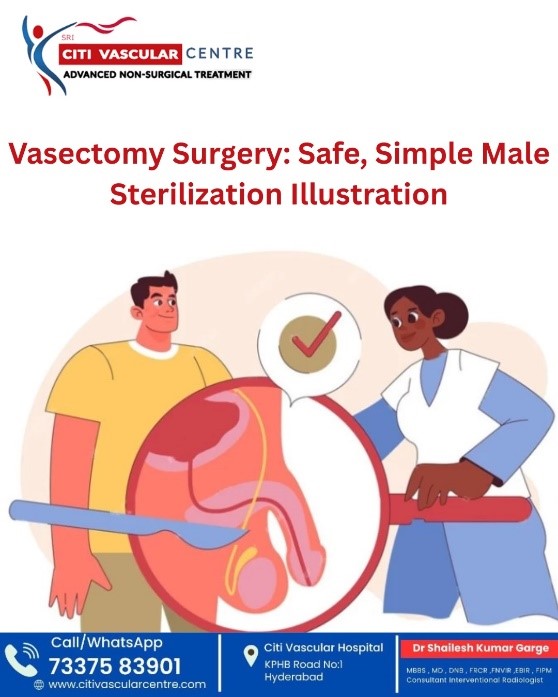
A vasectomy is a minor procedure that cuts or blocks the vas deferens, the tubes that carry sperm from the testicles to be mixed with semen. By interrupting this pathway, sperm are prevented from entering the ejaculate, effectively resulting in male sterilization. The procedure is usually quick, done under local anesthesia, and involves short downtime.
Risks associated with vasectomy include infection, swelling, hematoma formation, and in rare cases, the vas deferens may grow back together, possibly leading to pregnancy. Short-term pain and discomfort after the procedure are common and usually manageable with painkillers and supportive underwear. Some men may experience chronic pain (Post-Vasectomy Pain Syndrome) lasting months or years, characterized by scrotal ache, pain during ejaculation, or tenderness.
|
Risk/Complication |
Frequency |
Description |
|---|---|---|
|
Infection |
About 2% |
Redness, swelling, pain at incision site |
|
Hematoma (blood clot) |
Not quantified, common |
Swelling due to blood accumulation |
|
Chronic pain (PVPS) |
About 1-7% |
Persistent scrotal pain beyond 6 months |
|
Vas deferens recanalization |
Very rare |
Vas deferens regrows leading to fertility return |
|
Sperm granuloma |
Less than 5% |
Small lumps caused by sperm leakage |
After a successful vasectomy, the chance of pregnancy is very low (less than 1%). However, in rare cases, sperm can still be present in the semen if the vas deferens grows back together or if the procedure fails. Therefore, it is recommended that semen be tested several times after vasectomy to confirm the absence of sperm before considering the method permanent. Women cannot get pregnant from a partner who has had a successful vasectomy but can in rare cases where vasectomy failure occurs.
Q: How long does the vasectomy procedure take?
A: Typically, 15 to 30 minutes under local anesthesia.
Q: Is vasectomy immediately effective?
A: No, sperm can remain for weeks after surgery; semen tests are needed to confirm no sperm remain.
Q: Does vasectomy affect sexual function or hormone levels?
A: No, it does not affect testosterone levels or sexual performance.
Q: Is vasectomy reversible?
A: Vasectomy reversal is possible but not guaranteed; it’s best considered permanent.
Q: What are signs of complications I should watch for?
A: Infection symptoms (redness, swelling, fever), prolonged pain beyond a few weeks, or noticeable lumps.
Expert Diagnosis: Dr. Shailesh Kumar Garge's expertise in imaging and interventional procedures.
Minimally Invasive Procedures: Reduced scarring and faster recovery
Comprehensive Care: From diagnosis through treatment and follow-up
Patient-Cantered Approach: Compassionate care with clear communication
Don't let uncertainty about a vasectomy cause unnecessary anxiety. Early evaluation provides peace of mind and ensures appropriate treatment when needed.
Contact Citi Vascular Hospital: Road No1, KPHB Colony, Hyderabad .Dr. Shailesh Kumar Garge
Call Whatsapp 7032508468
Visit us on https://www.citivascularcentre.com/vasectomy-treatment-in-hyderabad